

Laatste nieuws in facilities

Explosives Found at New Asylum Centre Site in Nuenen: A Dangerous Delay?
Nuenen, 18 June 2026
A pipe bomb and fireworks mortar were discovered at a Dutch asylum centre construction site, halting work and raising alarms. The incident, found during routine groundwork, has sparked outrage from officials and fears over safety for future residents. With the centre set to open in August, delays could worsen the Netherlands’ asylum housing crisis. Authorities are investigating, but the motive—and whether it’s linked to local opposition—remains unclear. This isn’t the first act of vandalism at the site, but the use of explosives marks a dangerous escalation.
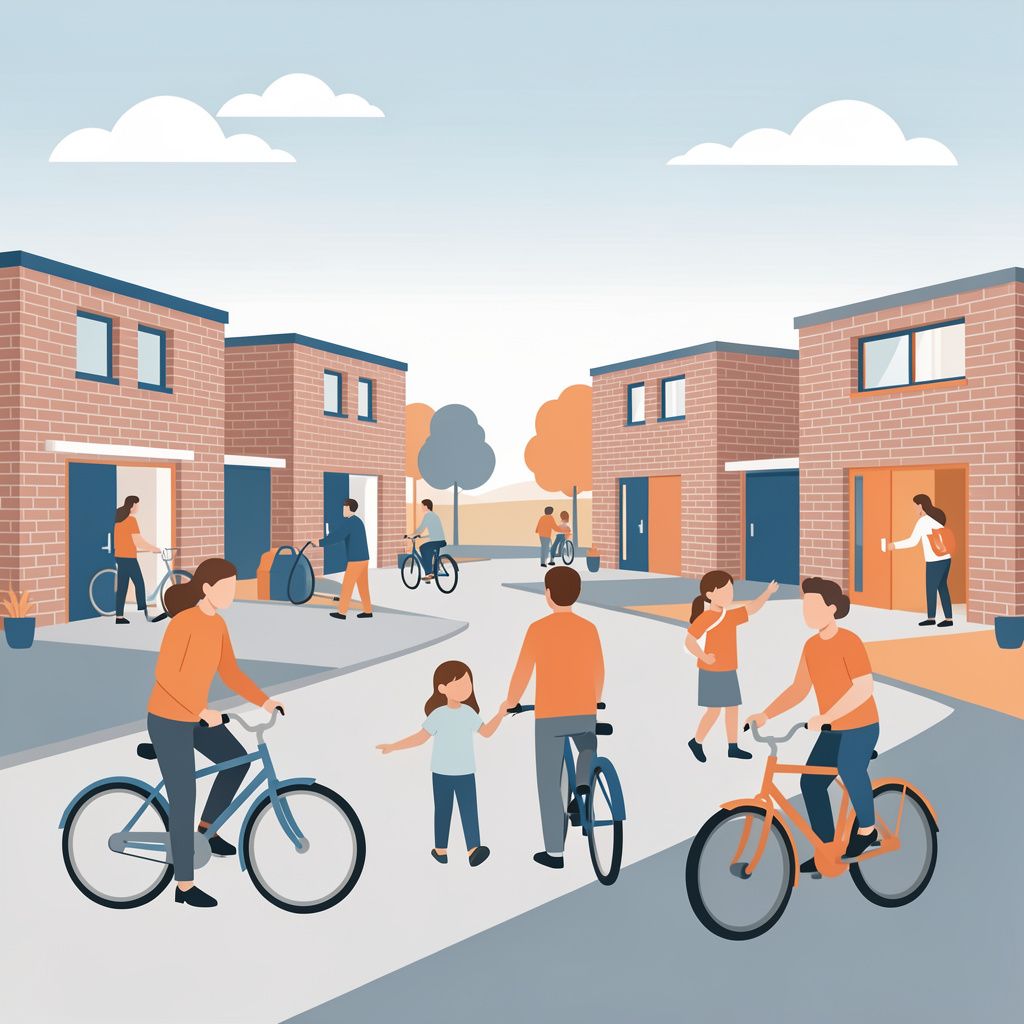
Netherlands Introduces Safe Havens for Rejected Asylum-Seeking Families with Children
The Hague, 17 June 2026
The Netherlands has launched specialised family shelters for asylum seekers with rejected claims and children, ensuring no child faces homelessness. These locations provide housing and support until departure, prioritising children’s safety and well-being—a first in European asylum policy.
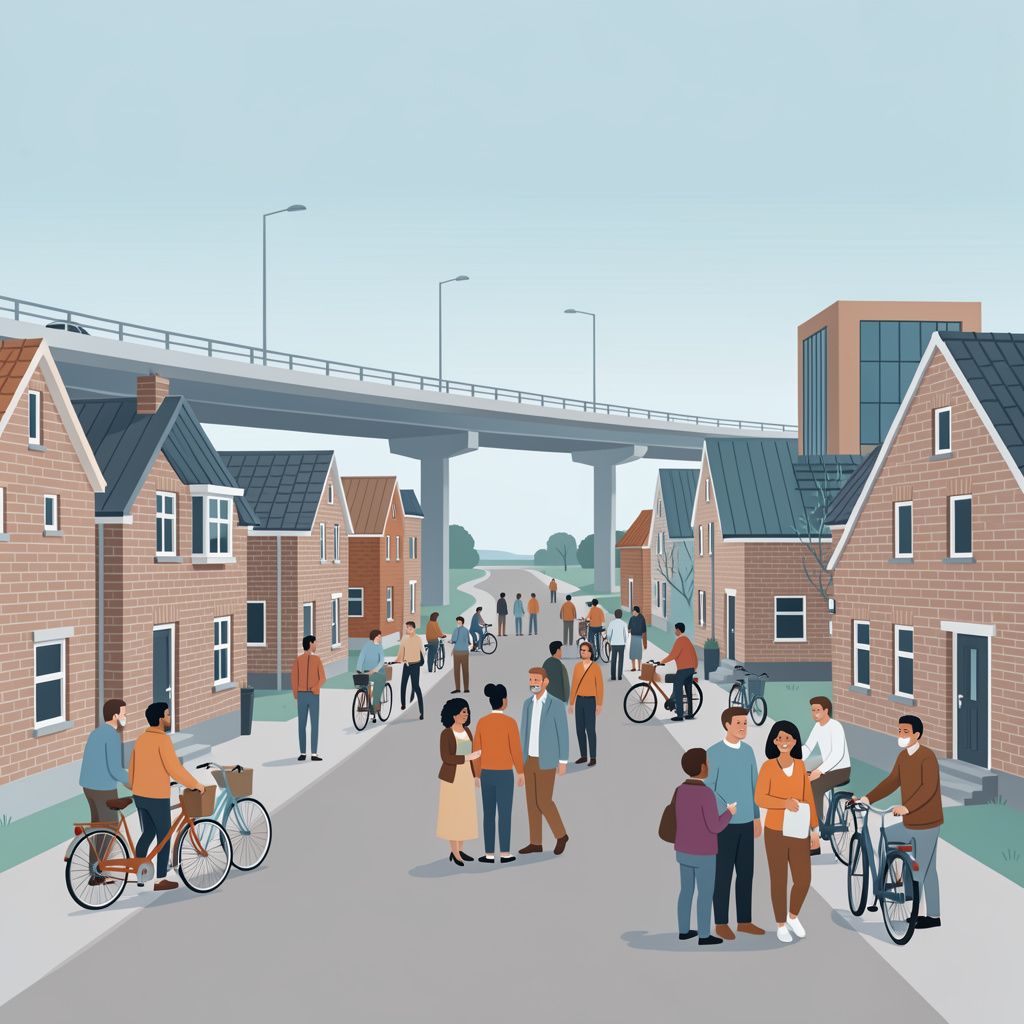
New Asylum Centre Plan Divides Hoogblokland Residents
Hoogblokland, 14 June 2026
A proposed asylum centre near Hoogblokland has sparked a heated debate, with 260 asylum seekers set to be housed if approved. Residents are split—some support the plan, while others criticise its location near a motorway and future construction. The Dutch government’s push for more asylum housing amid shortages adds urgency to the decision.

Riots Erupt in Dutch Town as Far-Right Groups Hijack Protest Against Asylum Seeker Shelter
Wijk bij Duurstede, 13 June 2026
Violent clashes broke out in Wijk bij Duurstede on 11–12 June 2026, when radical far-right groups infiltrated a local protest, smashing town hall windows and attacking police — yet local volunteers simultaneously prepared a warm welcome for the arriving asylum seekers.

Arson and Violence at Dutch Asylum Shelter Expose a Nation Divided Over Refugee Housing
Loosdrecht, 11 June 2026
Extreme-right groups set fire to an emergency asylum shelter in Loosdrecht whilst refugees were inside, as the Netherlands struggles with a shortfall of 13,000 shelter places and a legal duty on councils to house asylum seekers.


The Netherlands Pays Families £150 a Month to House Asylum Seekers as Shelter Crisis Deepens
Amsterdam, 9 June 2026
From May 2026, Dutch host families receive €150 monthly to house asylum seekers, easing pressure on an overwhelmed reception system where refugees sometimes wait years for permanent housing.


Dutch Government Promises Long-Term Asylum Funding, But Thousands Face Shelter Shortage This Summer
The Hague, 7 June 2026
The Netherlands has committed to stable, multi-year asylum funding, yet a shortfall of up to 7,900 shelter places by summer’s end puts thousands at immediate risk of homelessness.

Netherlands Faces Imminent Homelessness Crisis as Asylum Shelter Shortage Reaches Breaking Point
The Hague, 6 June 2026
The Netherlands is facing an acute shortage of 4,500 asylum shelter places today, rising to 7,900 by late summer 2026 — meaning thousands of asylum seekers could soon be sleeping on the streets. Conditions at existing sites are already alarming, with families in Dronten living in 12-square-metre units without toilets.